
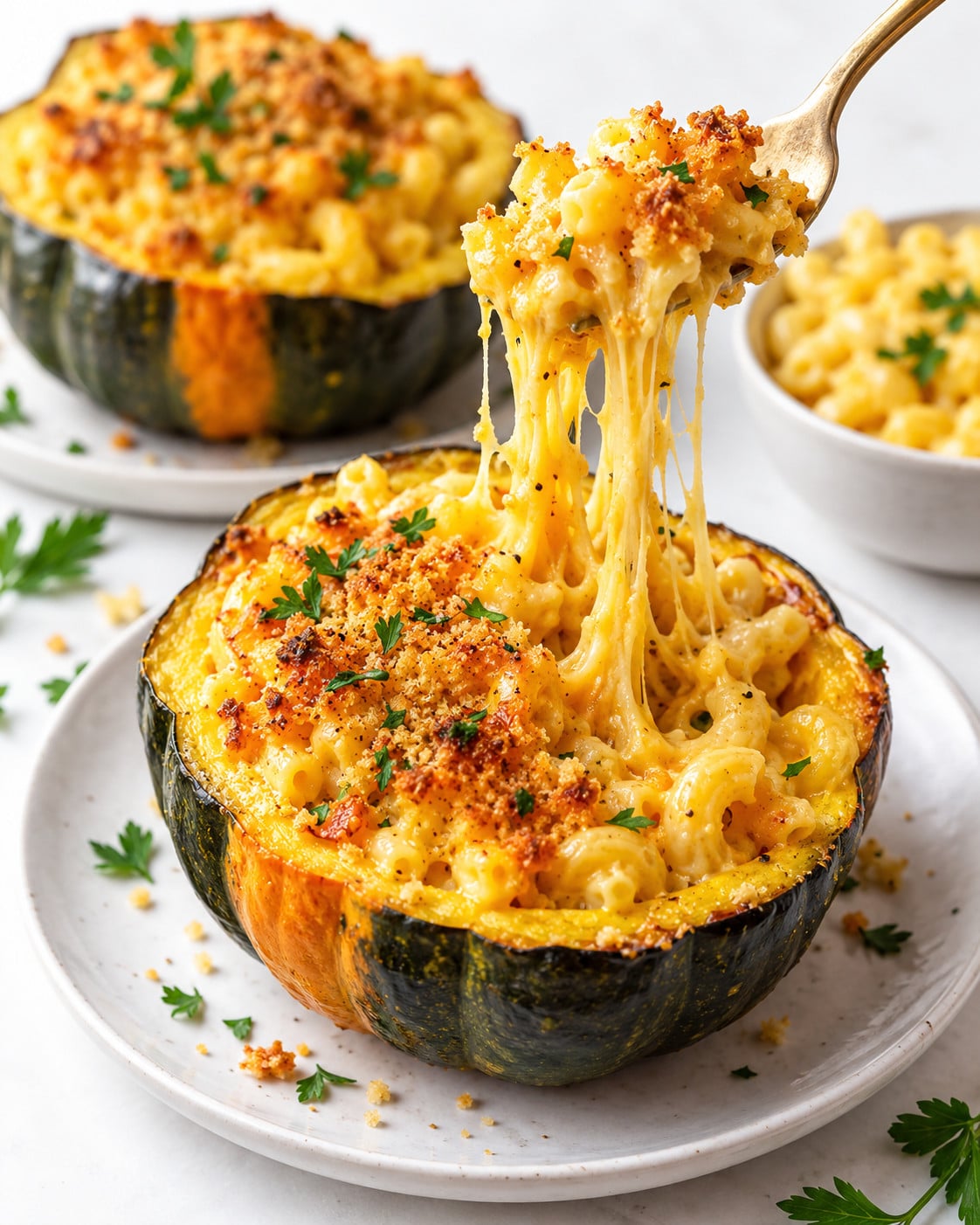
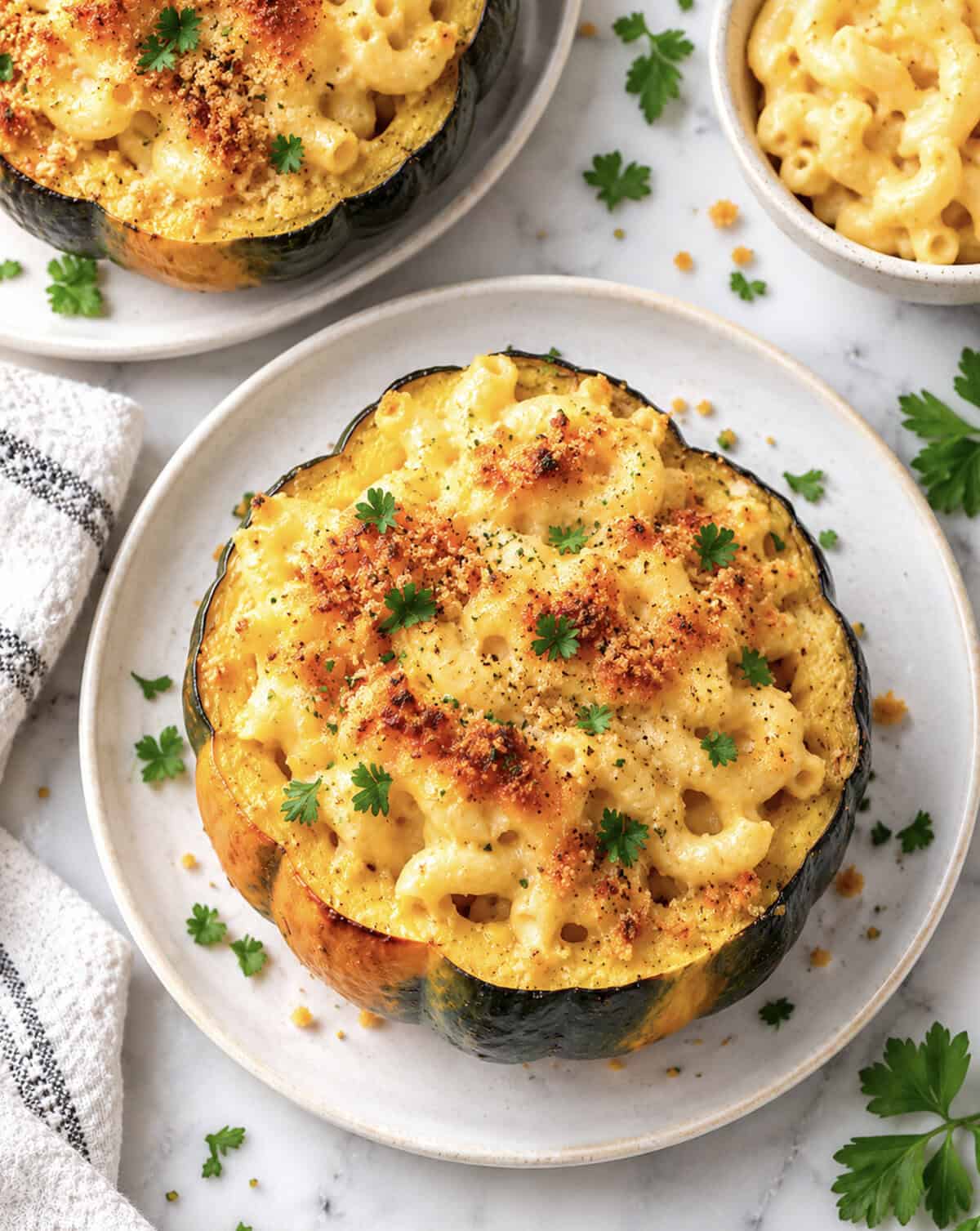
This Gluten Free Acorn Squash Mac and Cheese is the ultimate comfort food for fall! Made with gluten free protein pasta, roasted acorn squash, and a rich, creamy cheese sauce, it's a delicious way to enjoy classic mac and cheese with extra veggies and plenty of cozy autumn flavor. Serve it straight from the pot or bake it inside acorn squash halves for an impressive presentation that's perfect for a holiday table or weeknight dinner.
If there's one thing I love, it's finding ways to make comfort food a little more nourishing without sacrificing any of the flavor or texture that makes it so delicious in the first place.
Growing up, mac and cheese was always one of my favorite comfort foods, and that hasn't changed. Whether it's traditional macaroni and cheese or a fun seasonal variation, I'm always looking for ways to make a delicious mac and cheese recipe that feels just as satisfying as the original.
This acorn squash mac and cheese recipe is my fall-inspired take on classic mac. Tender, roasted acorn squash gets folded into a homemade cheese sauce with gluten free protein pasta for a creamy, cheesy meal that's packed with flavor.
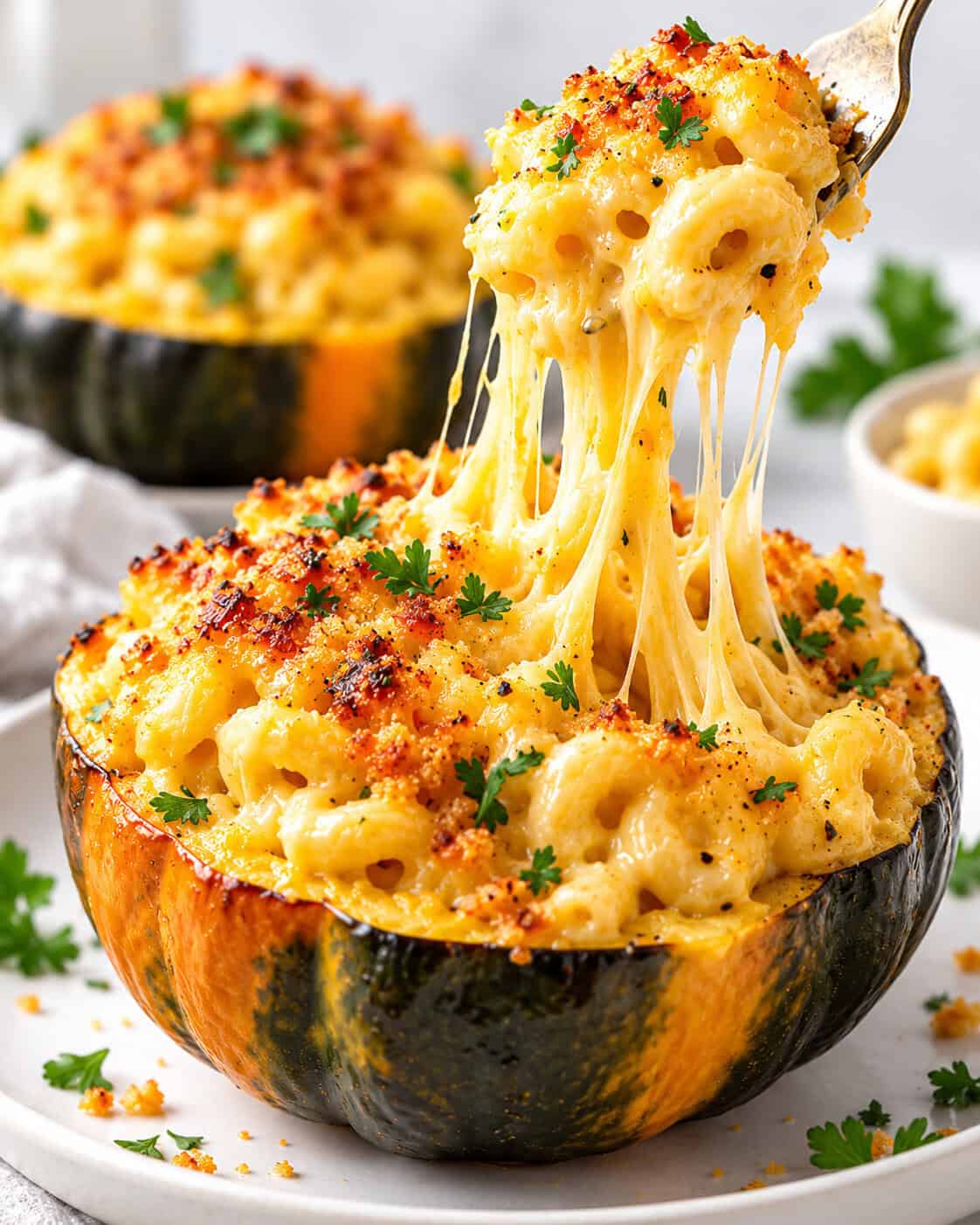
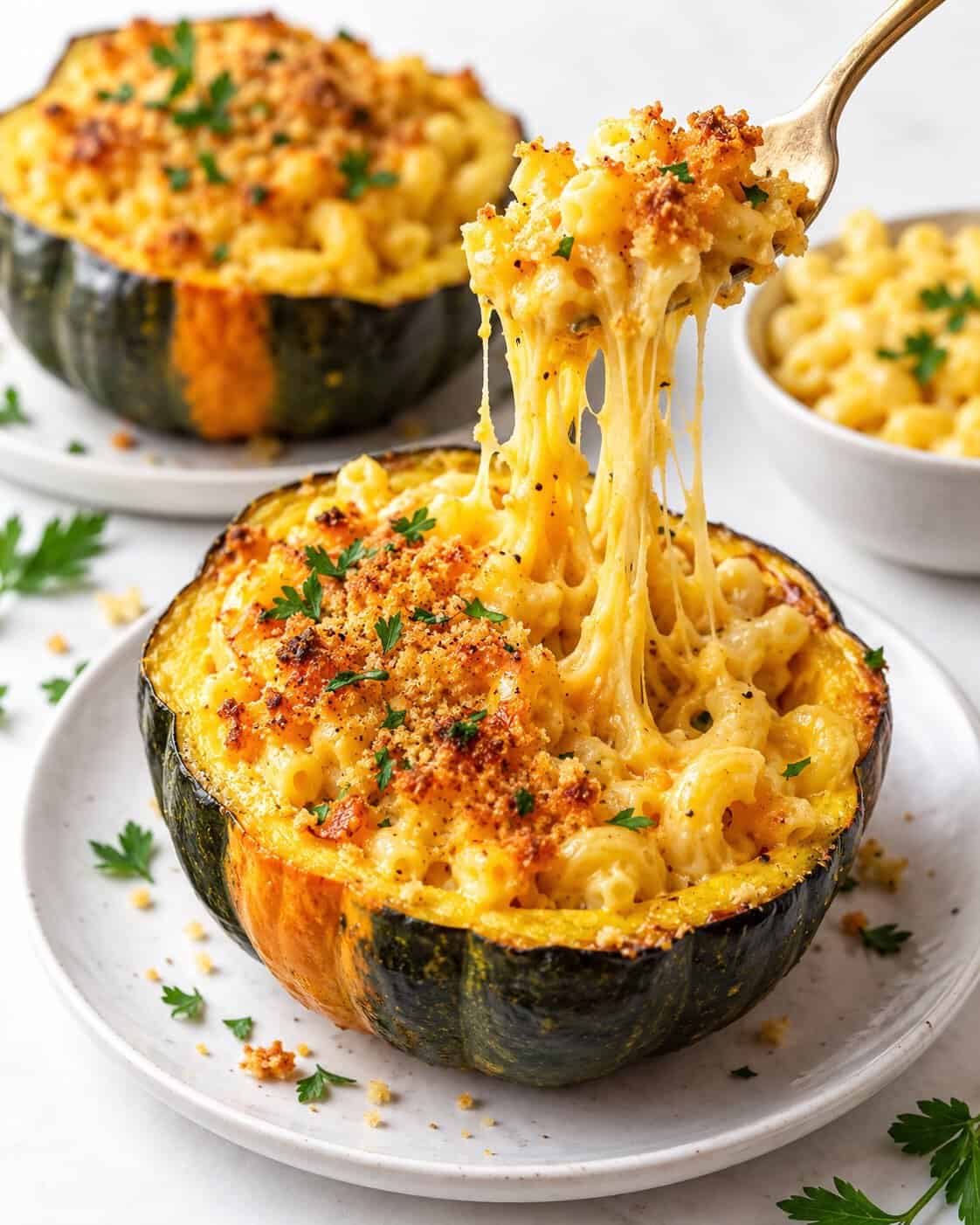
The best part? You can serve this recipe two ways! Enjoy it as a simple stovetop mac and cheese or take things a step further and bake it inside hollowed-out acorn squash halves with a crispy golden brown breadcrumb topping.
Either way, this is one of those easy recipes the entire family can enjoy.
And because I know you're a mac and cheese lover, you should also try this Cottage Cheese Mac & Cheese and my Cacio e Pepe Mac & Cheese, too!
Why You'll Love This Acorn Squash Mac and Cheese Recipe
- It's the ultimate comfort food. Creamy cheese sauce, tender pasta, and roasted acorn squash make this a cozy and satisfying meal.
- It's naturally gluten free. Using gluten free flour, gluten free protein pasta, and gluten free breadcrumbs makes this a delicious alternative to traditional macaroni and cheese.
- It has extra veggies. Roasted acorn squash adds flavor, texture, and extra nutrients to a classic comfort food favorite.
- It's customizable. This cheese recipe can easily be made vegetarian or dairy free with a few simple ingredient swaps.
- It's perfect for entertaining. Baking the mac and cheese inside acorn squash halves makes a beautiful side dish for Thanksgiving or another fall gathering.
- It's a great way to use seasonal produce. Acorn squash is widely available at the grocery store during fall and winter, making this recipe an easy way to incorporate seasonal ingredients into your meals.
Ingredients You'll Need
You only need a handful of ingredients to make this creamy, cheesy acorn squash mac and cheese. You'll find the exact measurements in the recipe card at the bottom of this post.
For the Cheese Sauce
Butter: I use regular butter but dairy free or vegan butter will work, too. The butter helps create the base of the cheese sauce.
Gluten Free 1:1 Flour: A gluten free flour blend helps thicken the sauce, giving it that rich, creamy texture you expect from classic mac and cheese.
Milk: Use one cup of milk, either regular, lactose-free or non-dairy, depending on your dietary preferences. I recommend an unsweetened, unflavored milk if you're choosing a dairy-free option.
Broth: A quarter cup of broth helps thin the sauce slightly without sacrificing flavor. You can use bone broth for a little extra protein or vegetable broth to keep the recipe vegetarian.
Cream Cheese: Cream cheese adds richness and gives the cheese sauce an extra smooth consistency. Lactose free or vegan cream cheese can also be substituted.
Shredded Cheese: I recommend cheddar cheese for its classic, sharp flavor and excellent melting ability. You can also use a combination of cheddar cheese and parmesan cheese if you prefer a more complex cheese flavor.
For the smoothest cheese sauce, shred your own cheese from a block whenever possible. Pre-shredded cheese often contains anti-caking ingredients that can affect how smoothly it melts.
Seasonings: Salt, nutmeg, mustard seed, paprika, and optional turmeric add depth of flavor and warm color to the sauce.
For the Roasted Acorn Squash
Acorn Squash: You'll need half of a small acorn squash to roast and fold into the pasta. If you want to make the optional stuffed squash bowls, you'll also need two medium acorn squashes.
Garlic-Infused Olive Oil: A little olive oil helps the squash caramelize as it roasts. Garlic-infused oil also adds delicious savory flavor. You can alternatively use EVOO and ½ teaspoon of garlic powder if you do not have garlic oil.
Salt and Black Pepper: These simple seasonings enhance the naturally sweet flavor of roasted acorn squash.
Red Pepper Flakes: Optional, but perfect if you enjoy a little bit of heat.
Additional Ingredients
Gluten Free Protein Pasta: I love using protein pasta because it's a great way to make a comforting pasta dish a little more satisfying. Fusilli works especially well because the spiral shape holds onto the creamy cheese sauce.
Gluten Free Breadcrumbs: For the optional baked version, gluten free breadcrumbs create a delicious crispy topping. Gluten free panko breadcrumbs work especially well.
Fresh Parsley: A sprinkle of fresh chopped parsley adds color and freshness to the finished dish.
How to Make Gluten Free Acorn Squash Mac and Cheese
Making homemade mac and cheese might sound intimidating, especially if it's your first time preparing a cheese sauce from scratch, but it's actually pretty simple!
Here's how to make this delicious mac and cheese recipe.
Step 1: Prepare the Acorn Squash
Preheat your oven to 425°F and line a large baking sheet with parchment paper.
Cut your small acorn squash in half, remove the seeds, and slice it into rounds or quarters. A sharp chef's knife works best for cutting through the tough exterior.
Arrange the squash pieces on your prepared baking sheet. Drizzle with garlic-infused olive oil, then season with salt, black pepper, and red pepper flakes if using.
Step 2: Roast the Squash
Transfer the baking sheet to the oven and roast for approximately 20-25 minutes, or until the squash is tender and the edges are lightly caramelized.
The roasted squash should be soft enough to easily pierce with a fork.
Set aside while you prepare the mac and cheese.
Step 3: Prepare the Cheese Sauce Base
While the squash roasts, bring a large pot of salted water to a boil for your pasta.
In a separate large saucepan, combine butter, milk, and broth over medium heat.
Stir until the butter has completely melted and the mixture begins to simmer.
Step 4: Thicken the Sauce
Slowly whisk the gluten free flour into the warm liquid, adding approximately one tablespoon at a time.
Continue whisking until the flour is fully incorporated and the mixture begins to thicken.
Make sure there are no visible lumps before moving on to the next step.
Step 5: Add the Cheese and Seasonings
Add the cream cheese and shredded cheese to the saucepan, whisking continuously until everything is melted and smooth.
Once the cheese is fully incorporated, add the salt, nutmeg, mustard seed, paprika, and optional turmeric.
Continue whisking until you have a rich, creamy cheese sauce.
Reduce the heat to low to keep the sauce warm while the pasta finishes cooking.
Step 6: Cook the Protein Pasta
Add your dry pasta to the boiling salted water and cook according to the package directions.
I recommend cooking gluten free protein pasta until just al dente so it maintains its texture when mixed with the cheese sauce.
Cooking times will vary depending on the pasta, so always check the package instructions.
Step 7: Combine the Pasta and Cheese Sauce
Using a slotted spoon, transfer the cooked pasta directly into the warm cheese sauce.
A little bit of starchy pasta water will transfer along with the noodles, helping loosen the sauce and create a smooth, silky consistency.
Gently stir until all of the pasta is evenly coated.
Step 8: Add the Roasted Acorn Squash
Once the roasted squash is tender, add the pieces to the mac and cheese.
Fold everything together gently, taking care not to break up the squash too much.
At this point, you can serve the mac and cheese as-is for a delicious stovetop meal!
Step 9: Prepare the Acorn Squash Bowls (Optional)
If you'd like to make the baked version, keep your oven preheated to 425°F.
Cut two medium acorn squashes in half and scoop out the seeds.
Carefully trim a small amount from the bottom of each squash half so it can stand upright on the baking sheet.
Fill each squash half with the prepared mac and cheese.
Step 10: Bake Until Golden Brown
Sprinkle gluten free breadcrumbs over the filled squash bowls.
Cover loosely with foil, making sure the foil doesn't touch the mac and cheese.
Bake for 20 minutes, then remove the foil and continue baking for another 10–15 minutes, or until the breadcrumb topping is golden brown.
For the best texture, the squash bowls should be tender and the cheese mixture should be hot throughout.
Finish with fresh chopped parsley and serve!
Important: The optional squash bowls begin raw, so check that the squash flesh is fully tender before serving. Larger squash halves may require additional baking time.
Tips for Making the Best Gluten Free Mac and Cheese
Cook Your Pasta Al Dente
Gluten free pasta can become mushy when overcooked, especially when using protein pasta.
For the best results, cook the pasta until al dente, following the package instructions. Remember that it will continue absorbing some moisture once combined with the warm cheese sauce.
Shred Your Own Cheese
This is one of my favorite tips for making a homemade cheese sauce.
Although pre-shredded cheese is a convenient time saver, it often contains starches or other anti-caking ingredients that can make the sauce slightly grainy.
Using freshly shredded cheddar cheese creates a smoother, creamier texture.
Don't Overheat the Cheese Sauce
Once you've added the cheese, keep your saucepan over low heat.
High temperatures can cause cheese sauces to separate or become grainy. Low, gentle heat will help maintain that smooth consistency.
Add Pasta Water as Needed
If your sauce feels too thick after adding the pasta, stir in a tablespoon or two of warm pasta water.
The starch in the cooking water helps loosen the sauce while keeping it creamy.
Start with a little bit and add more as needed.
Roast the Squash Until Tender
For the best flavor, allow the squash to roast until the edges begin to caramelize.
This brings out its natural sweetness and creates a delicious contrast with the savory cheese sauce.
Recipe Variations and Substitutions
One of the reasons I love homemade mac and cheese is how easy it is to customize.
Make It Dairy Free
Substitute vegan butter, unsweetened non-dairy milk, vegan cream cheese, and dairy-free shredded cheese.
Just keep in mind that different dairy-free cheeses melt differently, so the final creamy texture may vary slightly.
Make It Vegetarian
To make this a vegetarian meal, use vegetable broth instead of bone broth.
The recipe is satisfying enough to serve as a main dish or as a vegetarian side dish.
Add Different Cheeses
Sharp cheddar cheese creates that familiar classic mac flavor, but you can experiment with a blend of cheeses.
Try adding a little parmesan cheese for a savory, salty finish, mozzarella for a major cheese pull or add extra cheese on top before baking if you love a gooey, cheesy crust.
Add More Vegetables
Looking for ways to get extra veggies into your meals?
You can fold steamed broccoli, sautéed spinach, or roasted cauliflower into the finished mac and cheese.
It's a great way to add more color, flavor, and nutrients.
Try Butternut Squash Instead
If you're a fan of butternut squash macaroni and cheese, you can experiment with swapping the roasted acorn squash for cooked butternut squash.
Butternut squash has a slightly sweeter flavor and softer texture.
You could even blend cooked butternut squash puree into the cheese sauce using a food processor or immersion blender for a smoother, hidden veggie variation.
Keep in mind that adding butternut squash puree or a blended butternut squash mixture will change the consistency of the original recipe, so you may need a splash of milk or broth to thin it out.
Use Different Herbs and Seasonings
Fresh thyme is a delicious addition to roasted squash and pairs beautifully with cheddar cheese.
You can also experiment with a little garlic powder or onion powder for a more savory flavor.
These are optional variations rather than ingredients required for the original recipe.
How to Store and Reheat Acorn Squash Mac and Cheese
Refrigerating
Allow the leftover mac and cheese to cool slightly before transferring it to an airtight container.
Store in the refrigerator for up to 3 to 4 days.
If you've prepared the stuffed acorn squash bowls, you can store them whole in a food-safe container.
Reheating
For stovetop mac and cheese, place leftovers in a saucepan or large skillet over low to medium heat.
Add a splash of milk and stir gently until warmed through. This helps restore the creamy texture of the sauce.
For the baked squash bowls, transfer them to an oven-safe baking dish and reheat at 350°F until heated through.
Covering them loosely with foil will help keep the pasta from drying out.
Freezing
While you can freeze mac and cheese, gluten free pasta and homemade cheese sauce can change texture after thawing.
For that reason, I prefer enjoying this recipe fresh or refrigerated rather than freezing it.
Frequently Asked Questions
Can I make this acorn squash mac and cheese ahead of time?
Yes! You can roast the squash ahead of time and store it in the refrigerator until you're ready to prepare the pasta and cheese sauce.
If you're making this for Thanksgiving or another gathering, prepping the squash in advance is a great time saver.
You can also assemble the mac and cheese in a large baking dish or the squash bowls ahead of time and refrigerate it until you're ready to bake. Keep it refrigerated and make sure everything is heated thoroughly before serving.
Is acorn squash mac and cheese healthy?
Acorn squash contains fiber and nutrients such as vitamin C, while gluten free protein pasta can add extra protein compared with some traditional pasta varieties.
This recipe also includes dairy or dairy-free alternatives, depending on your preferences.
I think it's a delicious way to enjoy a comforting, satisfying meal while incorporating more vegetables.
Can I use regular gluten free pasta instead of protein pasta?
Absolutely!
Any gluten free pasta that holds its shape well should work in this recipe.
Fusilli is my favorite because the spirals hold onto the cheese sauce, but elbows, shells, and other short pasta shapes are all good choices.
Just follow the cooking instructions on your pasta's package.
Can I make this recipe without the squash bowls?
Yes! The squash bowls are completely optional.
You can serve the finished acorn squash mac and cheese directly from the saucepan for a quick and easy meal.
This is especially convenient when you're short on time or preparing dinner for the entire family.
Can I use butternut squash instead of acorn squash?
Yes, although it will create a slightly different dish.
Butternut squash tends to have a sweeter flavor and can be blended into a smooth puree if you prefer a creamy butternut mac and cheese.
Acorn squash works particularly well for this recipe because it can also be used as an edible serving bowl.
How do I prevent my cheese sauce from becoming grainy?
The key is to use low heat once you add the cheese and whisk continuously until everything is melted.
Freshly shredding your own cheese can also help create a smoother sauce.
If the cheese sauce becomes too thick, add a small amount of warm pasta water or milk and stir until smooth.
Can I bake this mac and cheese in a casserole dish instead?
Definitely!
If you want a crispy breadcrumb topping without using acorn squash bowls, transfer the prepared mac and cheese to a greased baking dish.
Top with gluten free panko breadcrumbs and bake until heated through and golden brown.
Because the pasta and roasted squash are already cooked, this version generally needs less oven time than the stuffed squash bowls.
What should I serve with acorn squash mac and cheese?
This recipe is versatile enough to be served as either a main dish or a side dish.
I love to pair it with this Fall Kale Salad or as a side dish to these simple slow cooker short ribs.
It's also a great addition to a holiday spread alongside your favorite fall recipes.
Did you have a chance to make this recipe? If so, please leave me a 5 star rating and review below. I always love and appreciate hearing from you!
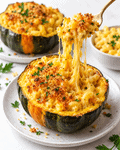
Creamy Roasted Acorn Squash Mac & Cheese Gluten Free
Ingredients
For the Cheesey Roux
- 2 tablespoons butter can sub dairy free or vegan
- 2 tablespoons gluten free 1:1 flour
- ½ teaspoon kosher salt
- 1 cup milk of choice if using non dairy make sure it is unflavored and unsweetened
- ¼ cup bone broth can sub vegetable broth
- ¼ cup cream cheese can sub dairy free or vegan
- 2 cups cheddar cheese, shredded can sub dairy free or vegan
- 1 tablespoon mustard seed
- 1 teaspoon paprika
- ½ teaspoon turmeric optional, for color
- ¼ teaspoon nutmeg
For the Acorn Squash
- ½ small acorn squash cut in half, peeled and sliced in thin rounds
- 1 tablespoon garlic infused olive oil
- kosher salt and black pepper to taste
- 1 pinch of red pepper flakes optional for heat
Additional Ingredients
- 8 ounce box gluten free protein pasta
- 2 medium acorn squash to use as bowls (optional)
- ¼ cup gluten free bread crumbs for topping (optional)
- fresh chopped parsley for topping (optional)
Instructions
Prepare the Roasted Acorn Squash
- Preheat the oven. Preheat your oven to 425°F and line a baking sheet with parchment paper.
- Slice the squash. While the oven preheats, cut your small acorn squash in half, then slice into rings or quarters. If you don't have a sharp chef's knife, a large serrated bread knife works well for cutting through the tough skin.
- Season the squash. Arrange the squash rounds or quarters on the prepared baking sheet. Drizzle with garlic-infused olive oil and sprinkle with salt, pepper, and crushed red pepper flakes, if using.
- Roast the squash. Bake for 25 minutes, or until tender.
Make the Cheesy Roux and Mac & Cheese
- Prepare the pasta water. While the acorn squash bakes, gather your ingredients for the roux. Place a large pot of salted water on the stovetop over medium heat and bring to a boil in preparation for cooking the gluten free protein pasta.
- Heat the butter and liquids. In a large, deep saucepan, add the butter, non-dairy or lactose-free milk, and broth. Bring to a simmer, stirring to help melt the butter and combine the ingredients.
- Add the flour. Once the butter is fully melted, add the gluten free 1:1 flour, one tablespoon at a time, whisking vigorously to combine.
- Thicken the roux. The mixture will begin to thicken. Continue whisking, smoothing out any remaining clumps of flour.
- Add the cheese and spices. Add the cream cheese and shredded cheese, continuing to whisk until smooth. Once the cheese is fully incorporated, add the salt, nutmeg, mustard seed, paprika, and optional turmeric. Whisk until everything is combined and the sauce is smooth.
- Cook the pasta. By now, your pasta water should be at a rolling boil. Add the entire box of gluten free protein pasta and cook according to the package instructions, until al dente. Cooking times will vary depending on the pasta used.
- Keep the sauce warm. Continue whisking the cheese sauce over low heat while the pasta cooks to prevent it from thickening or solidifying.
- Combine the pasta and cheese sauce. As soon as the pasta is ready, transfer it directly into the cheese mixture using a slotted spoon. Do not drain the pasta first; you'll want a little of the pasta water to transfer into the cheese mixture to thin it out slightly. Gently fold the pasta into the cheese sauce until evenly coated.
Assemble the Acorn Squash Bowls
- Add the roasted squash. Once the acorn squash is tender, remove it from the oven. Add the roasted squash pieces to the pasta and cheese mixture, folding gently a few more times to combine.
- Decide how to serve. At this point, your acorn squash mac and cheese is ready to enjoy! If you'd like to bake it inside acorn squash bowls, continue with the following steps.
- Prepare the squash bowls. Keep the oven at 425°F. Using the same parchment-lined baking sheet, arrange four hollowed acorn squash halves with the bottoms trimmed slightly so they stand upright.
- Fill and bake. Fill each acorn squash bowl with the prepared mac and cheese, then top with gluten free breadcrumbs. Cover loosely with foil, being careful not to let the foil touch the mac and cheese to prevent sticking. Bake for 20 minutes, then remove the foil and bake for an additional 10–15 minutes, or until the breadcrumbs are golden brown.
- Garnish and serve. Remove from the oven, sprinkle with fresh chopped parsley, if desired, and enjoy!
Notes
Notes
- Pasta: Use your favorite gluten free protein pasta. Cooking times vary by brand and ingredients, so follow the package instructions.
- Dairy-free option: Substitute vegan butter, non-dairy milk, vegan cream cheese, and vegan shredded cheese.
- Vegetarian option: Use vegetable broth instead of bone broth.
- Serving option: The mac and cheese is delicious served directly from the saucepan if you prefer to skip the additional baking step.
- Squash bowls: Be sure to hollow out the acorn squash halves before filling them, and trim the bottoms carefully so they sit flat on the baking sheet.


Leave a Reply